
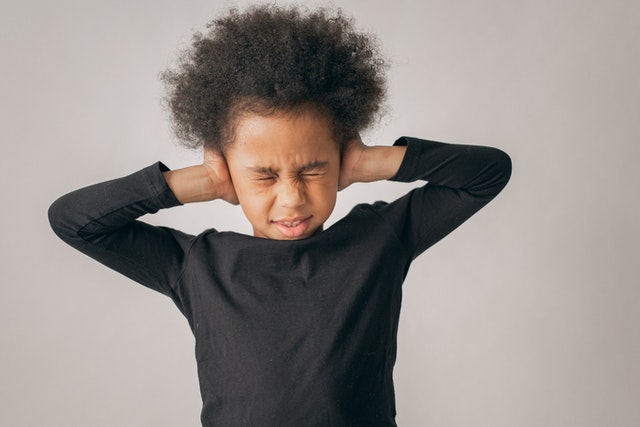
If your child suffers from anxiety, you know how challenging it can be to support them through these difficult moments. Watching your child struggle with overwhelming feelings of worry or fear is tough for any parent. The great news is that there are effective strategies you can use to help your child manage anxiety now and equip them with lifelong coping skills. Below are five proven actions parents can take to help their child handle anxiety with confidence and resilience.
Examine Your Own Parenting Style
While no parent intentionally causes their child anxiety, certain parenting approaches can inadvertently contribute to these feelings. Authoritarian (high control, low warmth) and permissive (low control, high warmth) parenting styles are both linked to increased anxiety and depression risks in children.
Additionally, placing excessively high expectations on your child can elevate stress levels. Encouraging excellence is important, but setting unrealistically high standards can leave your child feeling overwhelmed and fearful of failure. Aim to balance support and reasonable expectations to help your child build confidence instead of anxiety.
Breathe Slowly Together With Your Child
During moments of acute anxiety, your calm presence can be incredibly comforting. Sit with your child and reassure them that they are not alone in facing their anxiety.
Teach your child deep breathing techniques as a simple, effective way to calm both the body and mind. Start by slowly inhaling for a count of five, then exhaling slowly for five counts. If five seconds feels too long initially, begin with shorter counts of two or three and gradually increase as they become more comfortable. This practice helps regulate their nervous system and reduces panic symptoms.
Utilize Targeted Videos and Online Resources
Many parents benefit from professional guidance and educational tools to better support their anxious child. One excellent resource is Gozen, a specialized video series designed specifically for children ages 6 to 15, parents, and educators. helping kids with anxiety
This innovative online program teaches children essential skills to manage stress and anxiety effectively. Through engaging videos, kids learn mindfulness, emotional intelligence, and resilience-building techniques. Parents will appreciate how Gozen empowers children to develop healthy coping mechanisms that last a lifetime.
Do Not Avoid Anxiety-Inducing Events
It can be tempting to shield your child by avoiding situations that trigger anxiety, but this strategy often backfires. Rather than eliminating anxiety triggers, the goal should be to help your child face difficult experiences and learn to manage their responses.
Avoiding anxiety-provoking events reinforces fear and may increase sensitivity to anxiety over time. Teaching your child to confront challenges and regulate their feelings fosters courage and emotional resilience. Encourage gradual exposure to trigger situations paired with supportive coping strategies to build their confidence.
Model Healthy Ways to Deal With Anxiety
Children learn much by observing their parents’ reactions to stress and anxiety. One of the most impactful ways you can help your anxious child is by demonstrating healthy ways to manage your own anxious feelings.
Rather than hiding your struggles, openly model coping techniques such as deep breathing, mindfulness meditation, or problem-solving approaches. This normalizes anxiety and shows your child there are effective tools to handle it constructively. Your calm, intentional responses teach resilience and empower your child to adopt similar strategies.
By implementing these five steps—examining your parenting style, practicing slow breathing, utilizing targeted resources like Gozen, encouraging exposure to anxiety triggers, and modeling healthy coping—you equip your child with the skills and confidence they need to overcome anxiety. Your consistent support and presence are invaluable in helping your child thrive emotionally.
Additionally, if you want to learn more about Amazing Gifts For Any Special Occasion, visit our comprehensive Health category for resources and expert advice.
Frequently Asked Questions About Child Anxiety
Common signs include excessive worry, avoidance of social situations, physical symptoms like stomachaches or headaches, irritability, difficulty concentrating, and sleep disturbances.
Many anxiety management techniques, such as deep breathing and mindfulness, can be introduced to children as young as 5-6 years old, adapting the approach to their developmental level.
Consider consulting a mental health professional if your child’s anxiety is persistent, interferes with daily activities, or significantly impacts their well-being and development.
Be patient and create a supportive environment. Use indirect methods like play, drawing, or storytelling to help them express feelings and gradually open up.
Medication may be prescribed in some cases, especially severe anxiety, but is typically combined with therapy and lifestyle interventions. Always consult a pediatric mental health specialist for guidance.