The roof is one of the most critical components of any building, shielding it from weather elements and ensuring the safety and comfort of occupants. Over time, even the most durable roofs can experience wear and tear due to exposure to harsh weather, aging, or insufficient maintenance. Regular roof inspections and timely replacements by trusted service providers like Gold Star Contracting are crucial for preserving the structural integrity of a property and preventing extensive damage. This article highlights the importance of routine roof inspections and replacements, focusing on key factors homeowners should know.
The Role of Routine Roof Inspections
Routine roof inspections act as a preventive strategy to detect potential issues before they escalate into costly repairs. These inspections involve a comprehensive evaluation of the roof’s condition, including shingles, flashing, gutters, and ventilation systems. Professional roof inspectors can uncover hidden damage caused by storms, hail, or gradual wear, enabling timely repairs.
Inspections are especially important after severe weather events, such as storms or heavy rainfall, which can cause both visible and hidden damage. Common problems include cracked or missing shingles, loose flashing, and water infiltration, all of which can compromise the roof’s structural integrity if left unaddressed. Scheduling regular roof inspections helps homeowners extend their roof’s lifespan and maintain optimal performance.
Signs That Indicate the Need for Replacement
Although many roofing issues can be repaired, some signs indicate that a complete roof replacement is the best option. These signs include widespread shingle damage, persistent leaks, sagging areas, and deteriorated flashing or gutters. Additionally, the age of the roof plays a crucial role—most asphalt shingle roofs last between 20-30 years, while metal and tile roofs often have longer lifespans.
Consulting with professional roofing experts like Advanced Exteriors, Inc. can help determine whether repairs are sufficient or a full replacement is necessary. Ignoring signs of roof deterioration can lead to severe structural damage, including mold growth, water damage inside the home, and compromised insulation. Timely roof replacement safeguards your home’s safety and functionality, preventing costly future problems.
The Process of Roof Replacement
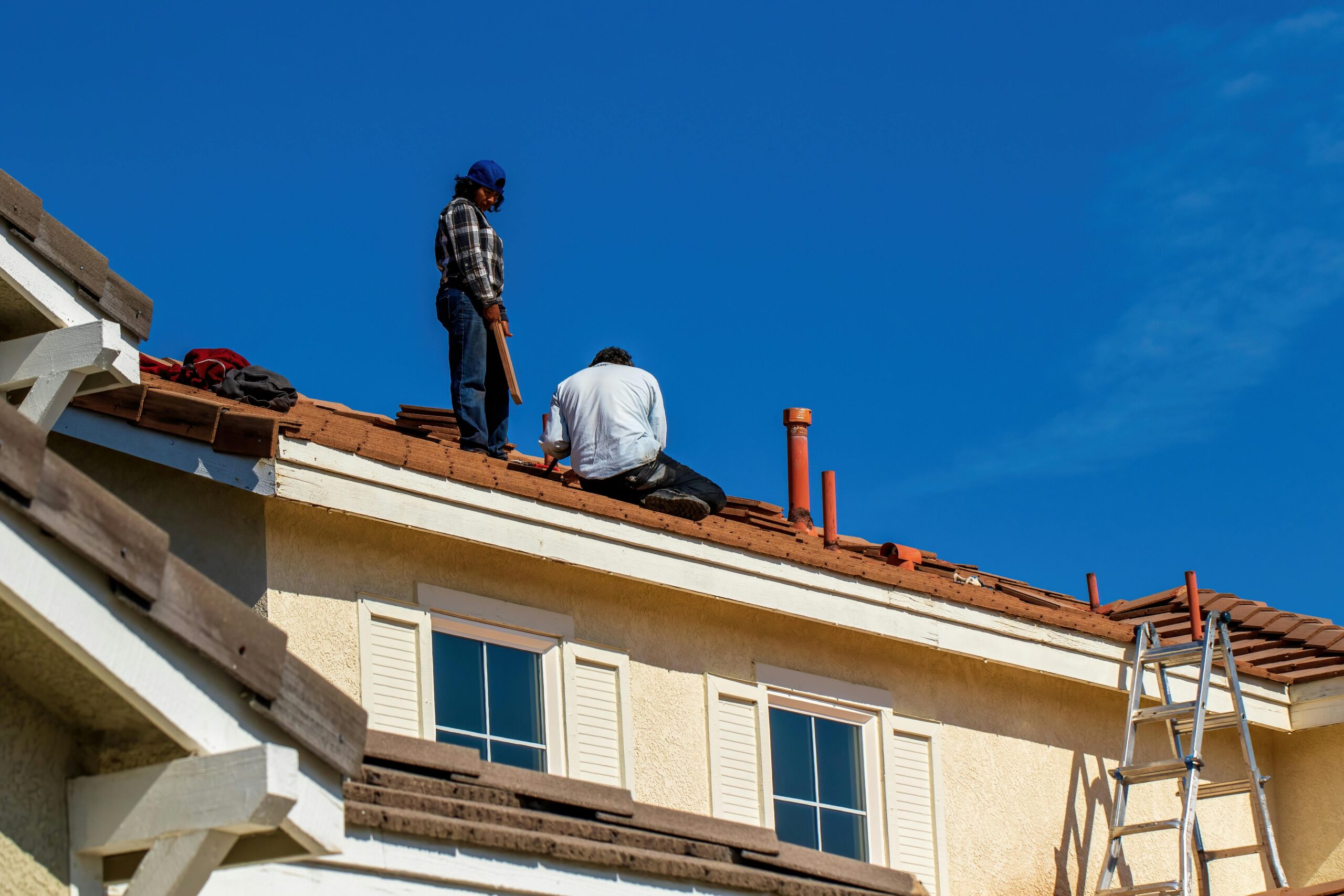
Replacing a roof is a major project that requires thorough planning and professional execution. The process starts with a detailed inspection to assess damage and choose the most suitable materials. After the old roof is removed, the underlying structure is examined and repaired if necessary before new roofing materials are installed.
Material options include asphalt shingles, metal panels, clay or concrete tiles, and more. Selecting the right material depends on factors like climate, budget, and aesthetic preferences. Proper installation is critical to ensure durability and weather resistance, extending the roof’s lifespan and protecting your investment.
Long-Term Benefits of Roof Maintenance and Replacement
Investing in regular roof maintenance and timely replacement yields numerous long-term advantages beyond fixing immediate problems. A well-maintained roof improves energy efficiency by enhancing insulation and ventilation, which helps reduce heating and cooling costs. It also elevates your home’s market value, appealing more to prospective buyers.
Replacing an aging or damaged roof enhances the building’s structural integrity, ensuring resistance against extreme weather conditions. Modern roofing materials often offer improved fire resistance, superior water shedding capabilities, and greater durability, providing homeowners with added peace of mind.
In summary, consistent roof inspections and timely replacements are essential practices for responsible homeownership. Regular check-ups help catch problems early, saving money and extending the roof’s life. When replacement becomes necessary, it provides a chance to upgrade your home’s safety, efficiency, and curb appeal. Prioritizing these steps protects your investment and ensures a comfortable, secure living environment for years to come.
Frequently Asked Questions (FAQs)
It is recommended to have your roof inspected at least twice a year—typically in spring and fall—as well as after severe weather events such as storms or heavy winds.
Asphalt shingles generally last 20-30 years, metal roofs can last 40-70 years, and clay or concrete tiles often last 50 years or more, depending on maintenance and environmental conditions.
Can minor roof damage be repaired without a full replacement?
Yes, many common roof issues like small leaks or isolated shingle damage can often be repaired. However, extensive damage or aging roofs may require full replacement for safety and efficiency.
Costs vary widely depending on roof size, material choice, and location. It’s best to get a professional estimate from trusted providers like Gold Star Contracting or Advanced Exteriors, Inc. for an accurate quote.
Choose based on your climate, budget, desired aesthetics, and durability requirements. A roofing professional can guide you in selecting materials that best meet your needs.
Want to know about ‘Roof‘? Check out our ‘Home improvemnt‘ category.