
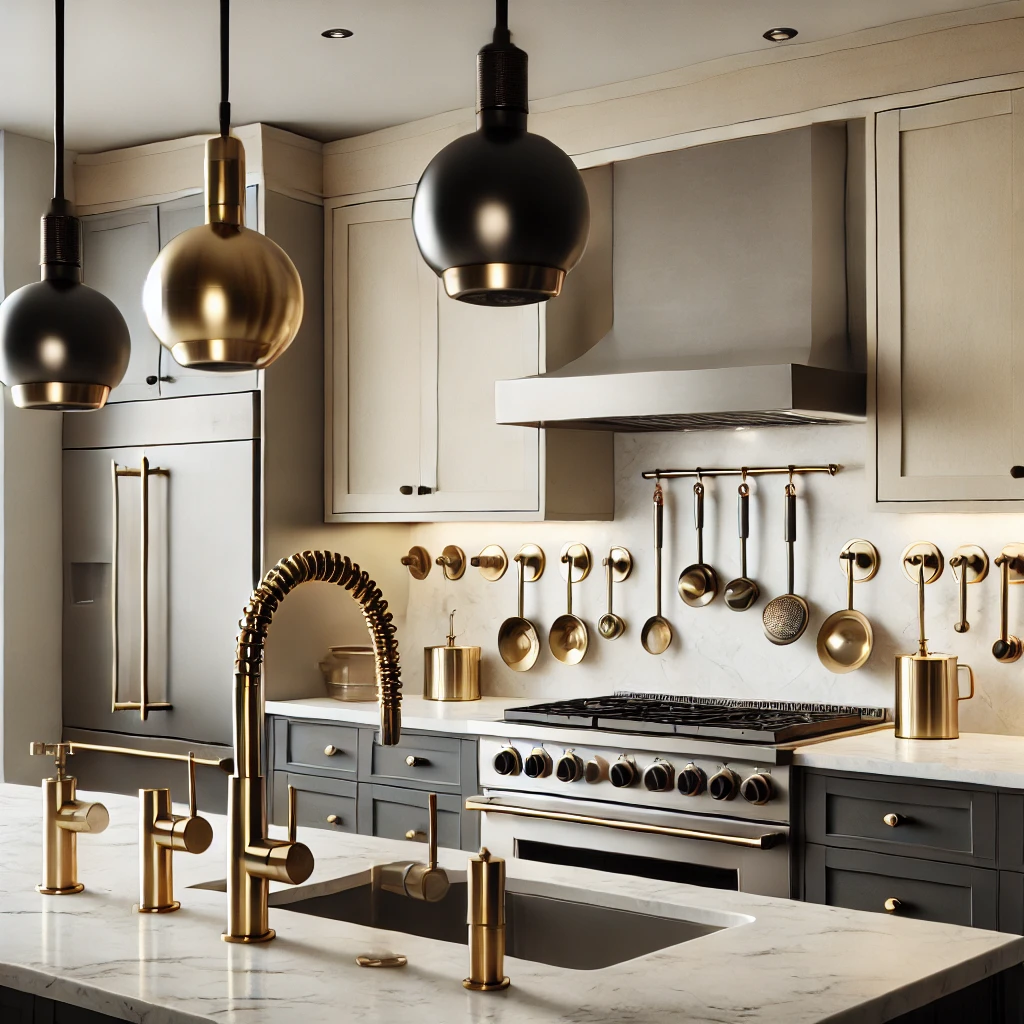
The days of matching every metal finish in a home are long gone. Modern interior design embraces a layered, curated approach where mixing hardware finishes adds depth, contrast, and character to any space. Achieving a balanced and cohesive look requires thoughtful planning. Whether working with cabinet hardware, faucets, lighting fixtures, or door handles, expertly combining different finishes can elevate your home to a sophisticated and stylish setting. For inspiration on high-quality finishes and curated design combinations, explore visit page for a comprehensive selection of elegant options.
The secret to successfully mixing and matching hardware finishes lies in understanding how different metal tones and textures interact to create harmony, enhancing your home’s aesthetic without overwhelming it.
Choosing a Dominant Finish as a Foundation
Creating a harmonious and visually pleasing space begins with selecting a dominant metal finish to serve as the foundation of your design. This primary finish should be applied to the most prominent hardware elements such as faucets, cabinet pulls, lighting fixtures, and door handles.
- If your kitchen features stainless steel appliances, finishes like brushed nickel or polished chrome make excellent dominant choices.
- For a warm and inviting ambiance, brass or antique bronze serves as a rich foundational finish.
- Matte black offers a bold, modern statement that contrasts well with both cool and warm color palettes.
Once your dominant finish is established, incorporate complementary secondary finishes in smaller accents to introduce contrast and visual interest.
Pairing Warm and Cool Metals Thoughtfully
Combining warm and cool metal finishes can create striking dimension, but the pairing needs to be intentional. Warm metals like brass, gold, and copper add warmth and richness, while cool metals such as chrome, nickel, and stainless steel provide a sleek, contemporary feel.
- Brushed brass paired with polished nickel delivers a sophisticated and timeless aesthetic.
- Matte black complemented by antique bronze creates a dramatic and moody atmosphere.
- Polished chrome accented with gold adds a luxurious yet modern vibe.
Balance is key—ensure an even ratio so no single finish dominates or feels out of place.
Distributing Finishes Evenly Across the Space
A common design pitfall is clustering multiple finishes in one area while others remain uniform. To maintain balance, distribute your metal finishes evenly throughout the space.
- In kitchens with brass cabinet pulls, extend the same brass finish to pendant lights or faucets to create visual cohesion.
- Bathrooms can feature matte black mirror frames complementing black vanity knobs, contrasted with polished nickel faucets.
- Allow mixed metals to flow naturally from one area to another rather than appearing fragmented.
This thoughtful distribution helps achieve a curated and polished aesthetic.
Considering Texture and Sheen for Depth
Metallic finishes offer more than just color variation—texture and sheen profoundly impact a space’s depth. Mixing finishes like polished, brushed, and matte surfaces adds dimension and prevents a flat, monotonous appearance.
- A polished brass faucet elegantly contrasts with brushed nickel drawer pulls.
- A hammered copper sink adds tactile interest alongside sleek stainless steel appliances.
- Combining matte and glossy finishes within the same metal family increases visual complexity.
Subtle texture variations help mixed metals feel deliberate and refined rather than mismatched.
Keeping the Overall Style Consistent
When mixing metal finishes, it’s essential to maintain consistency with your home’s overall interior style. The ideal combinations depend on the design language—modern, traditional, industrial, or transitional.
- Modern spaces often benefit from matte black combined with chrome for a minimalist, sleek vibe.
- Rustic farmhouse designs pair well with antique brass and wrought iron fixtures.
- Classic, elegant interiors work beautifully with polished nickel and gold accents for timeless appeal.
Adhering to a consistent design theme ensures harmony across all hardware and décor elements.
Avoiding Too Many Different Finishes
While mixing metals can enrich a design, using too many different finishes risks creating visual clutter and confusion. A practical guideline is to limit your palette to two or three complementary finishes that enhance rather than compete with each other.
- A kitchen featuring brass cabinet handles and matte black faucets should avoid introducing a third metal unless it subtly harmonizes with the existing finishes.
- Bathrooms with brushed nickel fixtures and gold accents benefit from matching lighting tones to preserve balance.
- Ensure that your metal choices add cohesiveness without unnecessary distractions.
By sticking to a thoughtfully curated selection, you achieve a polished and sophisticated overall look.
Letting Hardware Complement Other Design Elements
The choice of hardware finishes should complement other key design features like cabinetry, countertops, and backsplashes. Materials and color schemes within the space influence which metal finishes will seamlessly integrate.
- Warm-toned wood cabinetry, such as walnut or oak, pairs beautifully with brass or bronze finishes.
- Cool-toned countertops like marble or quartz are enhanced by chrome, nickel, or stainless steel hardware.
- Bold backsplashes are balanced by neutral-toned hardware to avoid overwhelming the room.
Considering the entire design context ensures a cohesive, intentional aesthetic that feels thoughtfully designed.
Testing Finishes Before Finalizing the Look
Evaluating how hardware finishes interact in your actual space—under different lighting conditions—is crucial before finalizing your choices. Sampling hardware pieces next to cabinetry and countertops provides valuable insight.
- Viewing metal swatches in both natural and artificial light prevents unexpected color clashes.
- Comparing finishes side-by-side helps visualize contrast and cohesion.
- Experimenting with smaller elements, like knobs or hinges, offers perspective before committing to larger fixtures.
Testing ensures your selections deliver both aesthetic appeal and functional harmony expectations.
Creating a Timeless and Personalized Look
Mixing hardware finishes is more than a passing trend; it’s about crafting spaces that feel uniquely tailored and thoughtfully designed. A well-executed blend of metals enhances your home’s character, marrying modern elegance with timeless charm.
By selecting a dominant finish, balancing warm and cool tones thoughtfully, distributing finishes evenly, and aligning with the home’s overall style, you can create a space that is visually captivating and harmoniously curated. Intentional design choices turn hardware into a sophisticated element that adds distinct personality to your home.
If you’re interested in learning more about “The Importance of Professional Air Duct Cleaning,” be sure to visit our “Home improvemnt” category for in-depth articles and design tips.
Frequently Asked Questions (FAQs)
Can I mix more than three different metal finishes in one room?
It’s generally best to limit your palette to two or three complementary metal finishes to maintain visual balance and cohesion. Using too many different metals can create a cluttered look.
How do I choose a dominant finish for my home?
Start by considering the largest or most visible hardware items such as faucets and cabinet pulls. Also, factor in existing elements like appliances and overall color schemes to select a finish that anchors the space.
Is it okay to mix matte and polished metal finishes?
Yes, combining different sheens such as matte and polished adds texture and depth, making the metal finishes feel intentional and layered rather than flat.
How important is hardware finish in coordinating with cabinetry and countertops?
Hardware should complement the materials and colors of cabinetry and countertops. Warm woods look great with brass or bronze, while cool-toned surfaces pair well with chrome or nickel to create a cohesive design.
What is the best way to test metal finishes before purchasing?
Obtain hardware samples or swatches and place them near cabinetry and countertops in your space. Assess how they look under natural and artificial lighting conditions to ensure harmony.