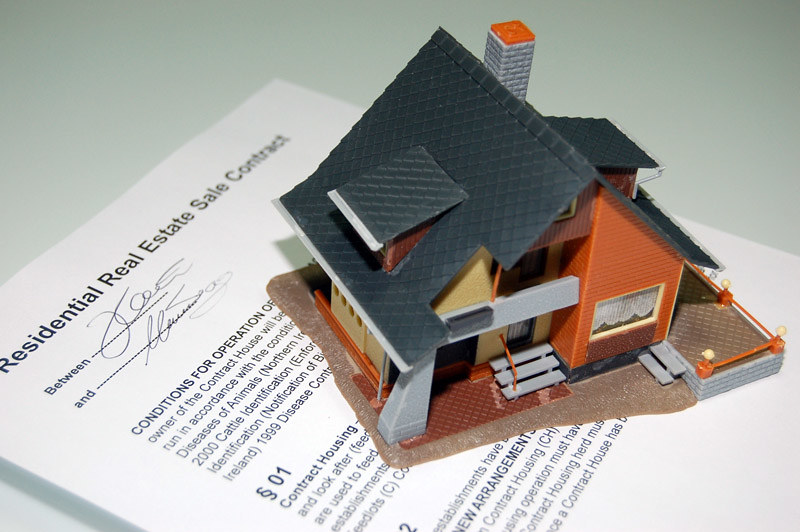
Renting out your home to tenants can be a lucrative alternative to selling your home to certain homeowners. This comprehensive guide will walk you through the essential steps to take before welcoming tenants into your property. Leasing your home provides a steady source of extra income, especially if you prefer not to sell right now. However, to ensure the safety and security of both your property and tenants, it’s crucial to follow all legal requirements and have the correct insurance in place.
Struggling to sell your home? Renting it out instead might be the ideal solution. By becoming a landlord, you can earn regular rent payments — a helpful way to cover mortgage costs while waiting for the right selling opportunity. For the full picture, read Can I treat my Dark Circles at Home?.
- Planning to relocate temporarily? Renting out your home allows you to live elsewhere for a short period—whether staying with a spouse, travelling, or working abroad—without having to sell. You can generate rental income and keep ownership of your property for when you return.
- Moving to a new house? You might want to rent out your current home while finding tenants, offering a great chance to earn additional income instead of leaving it vacant.
Before deciding if renting is right for you, explore our detailed article about the best strategies to lease your home effectively.
Before You Lease Out Your Home – Conduct Your Homework
Before renting your home, research local rental properties similar to yours to understand the current rental market. Check rental prices and trends over recent years to gauge potential income. Websites like Zoopla provide an easy-to-use platform offering comprehensive rental market information.
Consider whether you want to manage the property yourself or use a letting agent. If you prefer a hands-off approach, a reputable agent can handle tenant sourcing, payments, and maintenance issues. Ask friends or family members with landlord experience for trusted agent recommendations.
Do the numbers carefully: compare expected rental income with your mortgage payments, taxes, agent fees, insurance, and maintenance costs. Remember, tax on rental income varies — 20% for basic-rate taxpayers and 40% for higher-rate taxpayers in the UK. Include tax deductions related to letting in your calculations to assess profitability.
Note that paying Class 2 National Insurance Contributions may be required if renting out property qualifies as a business activity. This depends on factors such as the number of properties you rent and whether being a landlord is your primary occupation.
It’s wise to maintain a reserve fund from rental proceeds to cover potential repairs or periods when your property is vacant. Your mortgage payments must continue even without rental income.
Do I Need to Rent My Home as a House in Multiple Occupation (HMO)?
Consider if you want to rent your property as a House in Multiple Occupation (HMO). In the UK, a property is classified as an HMO if leased to three or more tenants from different households sharing facilities like a bathroom, toilet, or kitchen.
HMOs often generate higher rental income and reduce vacancy gaps, meeting significant demand for affordable housing. However, HMOs come with stricter regulations and may require planning permission or special licenses, especially when housing five or more tenants.
Also, obtaining a mortgage for an HMO can be challenging, and some letting agents may not manage such properties. Additionally, selling a converted HMO may be more complex.
For HMOs with more than five tenants, you must apply for a licence from your local council. This includes a Housing Health and Safety Rating System (HHSRS) risk assessment every five years and rectifying any issues identified as hazards.
Do I Need to Inform My Mortgage Provider?
Yes, always notify your mortgage lender before renting your home. Failing to do so may breach your mortgage terms and lead to penalties.
Most lenders require you to obtain consent to let—official permission to lease your property. Once granted, you can proceed with renting out your home legally.
Ensure You Have the Appropriate Insurance When Renting Your Home
Inform your building and contents insurance provider about your plans to rent out your property, as this usually requires adjusting your policy to landlord-specific coverage.
Landlord insurance typically covers property damage, liability, and sometimes loss of rental income due to tenant default. Some policies also cover legal expenses related to tenant disputes.
Securing landlord insurance protects your investment and offers peace of mind while your property is rented.
Understand Your Obligations as a Landlord
Being a landlord comes with important responsibilities. Ensure you are fully aware of these before renting out your property.
Key landlord duties include:
- Ensuring the property is safe and free from health hazards, including the safe installation and maintenance of gas and electrical equipment.
- Handling repairs and maintenance promptly, especially urgent issues like gas leaks.
- Providing a valid Energy Performance Certificate (EPC) for the property.
- Protecting tenant deposits through a government-approved Tenancy Deposit Scheme.
- Conducting tenant right-to-rent checks to ensure legal eligibility.
- Installing and maintaining smoke alarms and carbon monoxide detectors.
- Supplying tenants with the official ‘How to Rent’ checklist.
- Ensuring any furnished items comply with fire safety regulations.
If you hire a letting agent, some or all of these responsibilities may be managed on your behalf, usually for a fee.
How to Lease Your House Successfully: Prepare Your Property
Effective preparation of your property will help lease your home more quickly and ensure satisfied tenants. Decide whether to rent it furnished or unfurnished, considering tenant preferences and potential wear and tear.
Before renting, take the following steps:
- Remove valuable or fragile items from the property.
- Repair any fixtures and fittings that are damaged or faulty.
- Check that all appliances are working properly.
- Freshen up the property with neutral paint colors to appeal to a broad range of tenants.
Tenants often appreciate a neutral, clean, and well-maintained property, making it easier to attract long-term renters.
Frequently Asked Questions (FAQs)
It depends. If you rent to five or more tenants forming more than one household (an HMO), you likely need an HMO license from your local council. Otherwise, licensing requirements vary by area.
All rental income must be declared to HMRC. You can deduct allowable expenses such as agent fees, maintenance, insurance, and mortgage interest from your rental income before tax calculation.
Yes, you can manage tenancy yourself, but it requires understanding landlord responsibilities and legal obligations. Many landlords use letting agents to save time and ensure compliance.
If a tenant defaults on rent payments, you can use procedures to recover rent or evict the tenant legally. Landlord insurance may cover some financial losses from rent arrears.
Yes, short-term rentals are possible, but ensure you comply with local regulations and inform your mortgage and insurance providers.
Renting your home can be a profitable and flexible option if you follow the right steps and understand your responsibilities as a landlord. Use this guide as your starting point toward successful property letting.
For those considering renting out their homes, it’s important to understand their legal rights and obligations. Your Legal Rights a Step by Step Guide can provide valuable insights.