
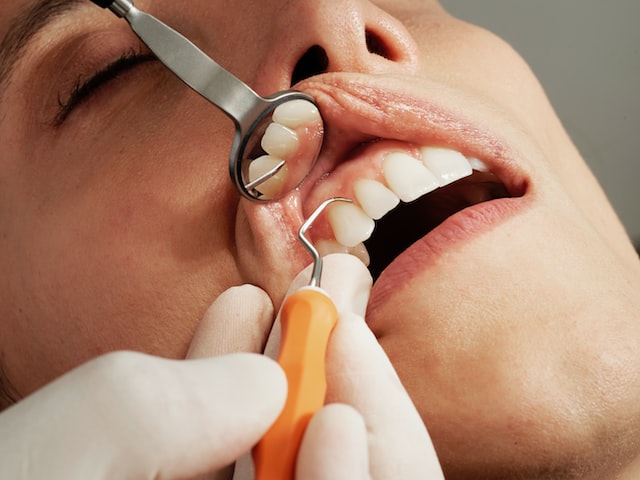

Your teeth are an essential part of your overall health and deserve the same care and attention as any other part of your body. Don’t wait until dental issues arise before taking action. Maintaining good oral hygiene now can help you avoid costly and painful problems later in life. As the saying goes, prevention is better than cure! Here are the top reasons why scheduling an annual professional teeth cleaning is crucial for your dental health:
1. Preventing Tooth Decay
Tooth decay is one of the most common dental problems and can lead to painful cavities, infections, and even tooth loss if untreated. Professional teeth cleanings remove plaque and tartar buildup that regular brushing and flossing might miss, reducing the risk of decay. Fluoride treatments provided during cleanings further strengthen your enamel, protecting your teeth from acid attacks caused by bacteria. Early detection of dental issues during checkups allows dentists to address problems before they become invasive or costly—saving your smile and your wallet. Your teeth can even begin to become loose depend on consistent care to stay healthy and strong.
2. Reduce Bad Breath
Persistent bad breath, or halitosis, can be embarrassing and is often a sign of underlying dental problems such as plaque buildup or gum disease. Professional teeth cleaning removes food particles and bacteria trapped between teeth and along the gumline—the primary causes of unpleasant odors. Regular dental visits keep your mouth fresh, healthy, and free from bacteria that contribute to halitosis. Moreover, maintaining your oral health can help you avoid costly procedures like root canals and orthodontic treatments, which may become necessary if problems go unnoticed. Annual cleanings are quick, painless, and a smart way to protect both your breath and your budget.
3. Maintain Freedom to Enjoy Your Favorite Foods
With good dental hygiene and routine professional cleanings, you can enjoy your favorite foods and drinks without worry. Cleanings help keep your teeth and gums healthy, especially if you’ve had fillings, crowns, or orthodontic work. During your visits, your dentist will also screen for oral health issues—including signs of oral cancer, gum disease, or other health problems like redness, swelling, or bleeding gums—ensuring any concerns are addressed early. Your dentist will comprehensively assess your mouth, teeth, gums, and even the soft tissues of your neck and head to maintain your overall health and smile integrity.
4. Achieve a Brighter, Whiter Smile
Regular professional cleanings remove stains from foods, beverages, and plaque that can dull your smile over time. Keeping your teeth clean and polished ensures your smile remains bright and confident—boosting self-esteem and making a positive impression in social and professional settings. A radiant smile helps you appear younger, more energetic, and approachable, which can be highly beneficial during job interviews, promotions, or social gatherings. Don’t underestimate the power of a healthy, glowing smile to enhance your personal and professional life. Your bright smile will thank you!
Scheduling an annual teeth cleaning is an easy and effective way to protect your dental health, prevent costly treatments, and maintain a beautiful smile. Taking this simple step ensures your teeth stay free from harmful bacteria and oral diseases, giving you peace of mind and a fresh start every year.
Frequently Asked Questions (FAQs)
Most dental professionals recommend a teeth cleaning every six months to maintain optimal oral health. However, if you have specific dental issues, your dentist may suggest more frequent visits.
No, professional teeth cleanings are typically painless. Some patients may experience slight sensitivity during or shortly after the cleaning, especially if they have gum inflammation.
While professional cleanings remove surface stains and plaque that dull your teeth, they do not change the natural color of your teeth. For enhanced whitening, discuss cosmetic treatments with your dentist.
Fluoride treatments help strengthen tooth enamel and prevent decay. Many dental practices include fluoride applications during routine cleanings, especially for patients at higher risk of cavities.
Skipping regular cleanings can lead to plaque and tartar buildup, increasing the risk of tooth decay, gum disease, bad breath, and more severe oral health problems that require costly and invasive treatments.