
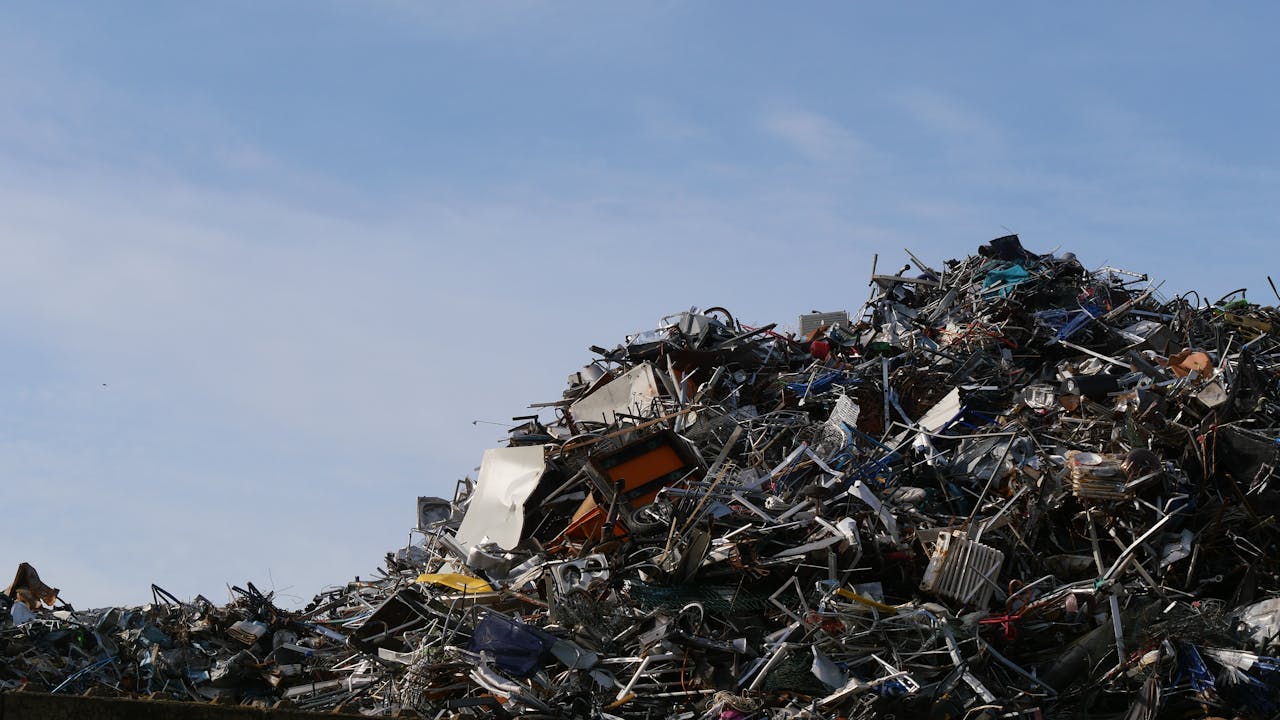
Metal recycling is a crucial practice in today’s world, effectively linking industrial demands with environmental sustainability. As global resource consumption continues to rise, responsible management of metals—such as aluminum, copper, steel, and brass—becomes increasingly important. These metals play a vital role across multiple sectors including construction, transportation, electronics, and household appliances.
Producing metals from raw ore is highly energy-intensive and environmentally detrimental, contributing to resource depletion, pollution, and significant greenhouse gas emissions. Metal recycling offers a sustainable alternative by conserving natural resources, reducing energy consumption, and minimizing waste. Metals can be recycled repeatedly without losing their essential properties, supporting a circular economy where materials are repurposed indefinitely.
Beyond environmental benefits, metal recycling also stimulates economic growth by lowering production costs and generating jobs economic growth. Supporting and advocating for metal recycling initiatives is a key step toward fostering a cleaner, more sustainable future.
Understanding the Value of Metal Recycling
Metal recycling plays a pivotal role in resource conservation, waste reduction, and promoting environmental sustainability. Recycling metals like aluminum, steel, copper, and brass dramatically decreases the demand for raw materials and energy, thereby reducing greenhouse gas emissions. This practice is not only eco-friendly but also economically advantageous.
Metals can be recycled repeatedly without degradation of quality, making them ideal for supporting a sustainable material cycle. By fostering metal recycling, both communities and industries can significantly reduce their environmental impact while boosting economic resilience.
How Metal Recycling Works
Metal recycling begins with the collection and sorting of scrap metals from various sources, including old vehicles, appliances, and construction waste. Proper sorting by metal type and quality is essential because each metal requires specific handling processes. After sorting, metals are shredded or crushed to reduce their size, facilitating efficient melting.
The melting process involves high-temperature furnaces that convert solid metals into liquid form. Once molten, the metal is purified to eliminate impurities, ensuring superior quality. Finally, the purified metal is cooled and formed into bars, sheets, or other usable shapes for manufacturing. This recycling process consumes significantly less energy compared to producing metals from virgin ores.
Environmental Benefits of Metal Recycling
Partnering with reputable organizations like Big Daddy Scrap helps minimize the environmental footprint associated with metal production. Extracting virgin metal ores is resource-heavy, requiring vast amounts of water, fuel, and land. Mining disrupts ecosystems, degrades habitats, and causes soil and water pollution. Metal recycling reduces reliance on mining, allowing natural environments to recover and flourish.
Moreover, recycling metals conserves immense amounts of energy. For instance, recycling aluminum saves approximately 95% of the energy compared to new aluminum production from bauxite ore. Lower energy use directly correlates to reduced fossil fuel consumption and greenhouse gas emissions, providing a tangible contribution to combating climate change.
Economic Impact of Metal Recycling
The metal recycling sector significantly boosts the global economy by creating millions of jobs in collection, processing, and logistics. Recycling plants and related businesses support local economies while helping stabilize metal prices through the supply of affordable recycled materials.
Utilizing recycled metals allows manufacturers to cut costs, potentially reducing prices for consumers. Since natural metal reserves are finite, recycling offers a renewable alternative, ensuring the availability of essential metals for infrastructure, technology, and industrial applications well into the future.
Metal Recycling and Waste Reduction
Metals constitute a substantial portion of landfill waste, where they pose environmental risks due to their slow decomposition rates. Some metals can leach harmful substances into soil and groundwater over time, creating long-lasting hazards.
Recycling metals reduces landfill volume by diverting scrap materials back into the production cycle. This approach not only conserves landfill space but also promotes a circular economy model where resources are reused and recycled, minimizing waste and reducing the need for disposal.
The Future of Metal Recycling
As sustainability becomes a global priority, demand for advanced metal recycling technologies is set to grow. Innovations such as automated sorting, improved smelting methods, and enhanced recovery techniques enable efficient recycling of complex products, including electronics and composite materials.
Government policies and incentives are increasingly supporting recycling initiatives, while public education campaigns raise awareness of metal recycling’s critical role. These combined efforts aim to establish metal recycling as a cornerstone of sustainable resource management, preserving vital materials and protecting our planet for future generations.
Frequently Asked Questions (FAQs)
The most commonly recycled metals include aluminum, steel, copper, brass, and lead. These metals are widely used in industries and are highly recyclable without losing quality.
Metal recycling can save up to 95% of the energy needed to produce metals from raw ore, especially notable in aluminum recycling. This significant energy savings results in lower carbon emissions and reduced environmental impact.
Most metals can be recycled; however, the recycling process varies depending on the metal’s properties. While ferrous and non-ferrous metals are widely recycled, some specialty or composite metals may require advanced techniques.
Recycling metals diverts them from landfills, reducing waste volume and preventing potential soil and groundwater contamination caused by metal leachates. This extends landfill life and supports sustainable waste management practices.
The future of metal recycling is promising, driven by technological advancements, increasing environmental regulations, and growing public awareness. Continued innovation and policy support are expected to make recycling more efficient and widespread globally.
Metals can be found in various sectors including construction, transportation, electronics, and household appliances. For more information on personal care services in Toronto that also contribute to sustainability, check here.