
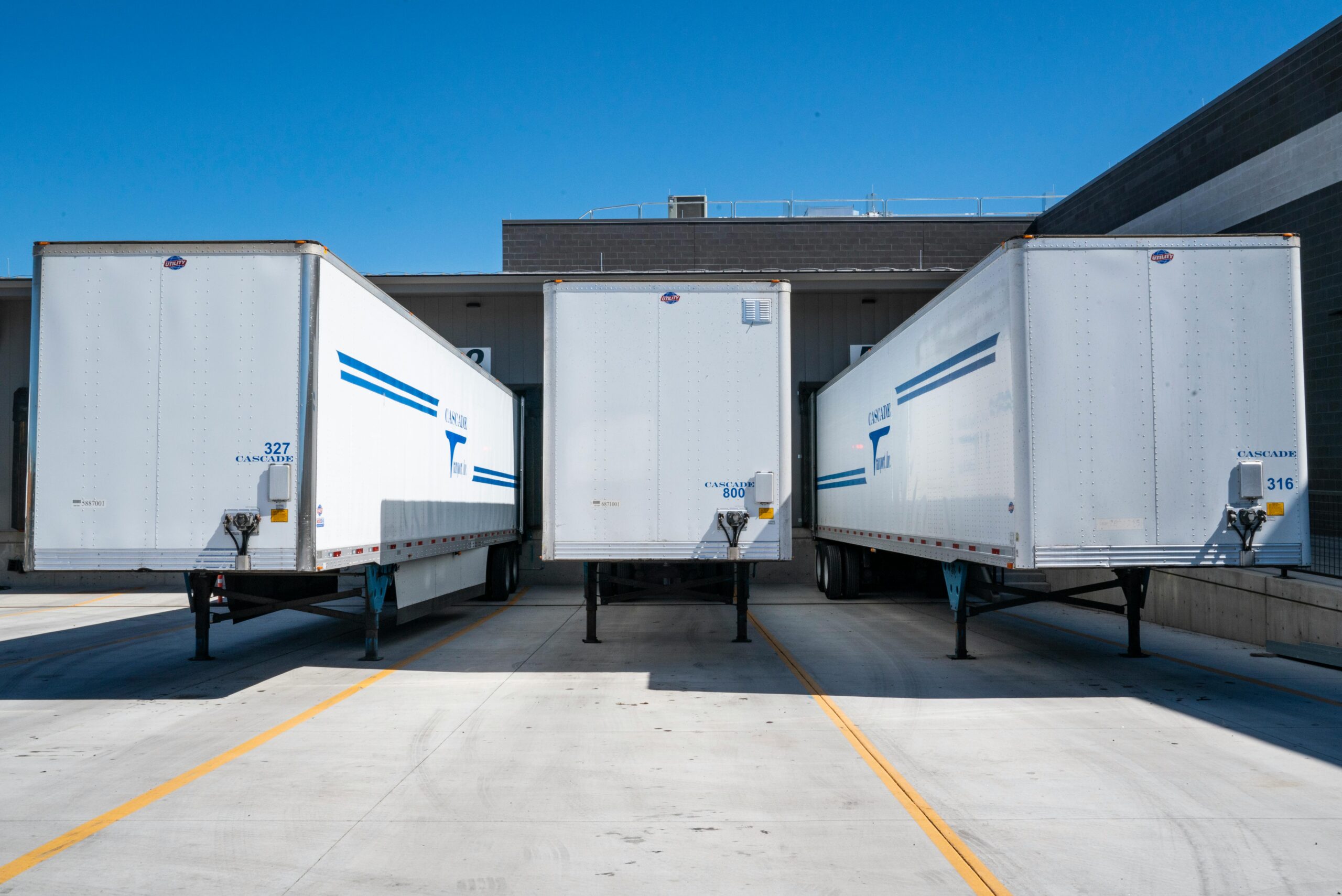
In today’s competitive logistics environment, supply chain managers must balance speed, cost control, and flexibility—especially when shipping across borders. One solution has quietly grown into a critical pillar of North American freight strategy: less than truckload shipping.
For shippers moving smaller quantities of goods, LTL provides a cost-effective, efficient way to stay agile without the overhead of full truckload (FTL) rates. From regional distribution to cross-border logistics between Canada, the U.S., and Mexico, understanding how LTL works—and how to optimize it—can yield major operational and financial benefits.
What Is Less Than Truckload (LTL) Shipping?
Less than truckload (LTL) shipping refers to the movement of freight that doesn’t require a full 48′ or 53′ trailer. Instead of paying for unused space, shippers pay only for the portion of the trailer their freight occupies. Carriers consolidate shipments from multiple businesses into one trailer, maximizing efficiency and minimizing cost.
LTL shipments generally range from 150 to 10,000 pounds and are typically palletized or crated. This mode is ideal for companies that:
- Ship regularly but in small quantities
- Need predictable transit times without full truckload costs
- Want to reduce their environmental footprint through load consolidation
LTL Shipping and Cross-Border Freight
LTL shipping has become especially useful for companies operating in North America’s tri-national trade ecosystem. With increasing trade activity across the U.S.–Canada and U.S.–Mexico borders, businesses are leveraging LTL to stay nimble and cost-conscious.
Here’s how LTL supports cross-border logistics:
1. Customs-Friendly Structure
LTL shipments typically come with pre-assembled paperwork and digital tracking, making them easier to clear through customs. Many carriers offer bonded warehouse options or pre-clearance for Canadian and Mexican freight, minimizing border delays.
2. Reliable Terminal Networks
Because LTL carriers operate through regional and national hubs, shippers gain access to established terminal networks that cover remote areas, metro centers, and customs zones—essential for time-sensitive cross-border freight.
3. Lower Risk, Higher Visibility
LTL shipments are usually smaller and individually tracked, reducing the risk of loss and enabling better visibility through TMS integration or carrier portals.
2025 Trends Shaping LTL Freight
The LTL landscape is evolving rapidly, influenced by market consolidation, digital transformation, and shifting consumer behavior. Key trends for 2025 include:
1. Capacity Stabilization
The LTL market has tightened following recent carrier consolidations. With fewer players and more strategic capacity management, rates are stabilizing at higher levels—but with improved service guarantees.
2. Focus on Dimensional Pricing
Carriers are increasingly relying on dimensional weight pricing rather than traditional freight class-based billing. Accurate measurements and optimized packaging are now essential to avoid excess charges.
3. Tech-Driven Efficiency
TMS platforms, API integrations, and digital freight matching tools are standard. Shippers are turning to tech to automate booking, monitor freight in real-time, and manage delivery exceptions.
4. Analytics and Data Visibility
More carriers are offering shippers insights into transit times, lane performance, and cost breakdowns. This data can be used to improve routing decisions, audit billing, and reduce dwell time.
5. Cybersecurity and Freight Authentication
As LTL networks digitize, cybersecurity and shipment authentication have become priorities—especially for high-value or cross-border goods. Expect increased investment in blockchain and encrypted documentation.
Advantages of LTL for Modern Supply Chains
Aside from cost efficiency, LTL offers several unique benefits that make it ideal for shippers managing dynamic supply chains.
Flexible Shipment Volumes
Whether you’re shipping 2 pallets today or 10 next week, LTL accommodates varying shipment sizes without locking you into rigid contract terms.
Reduced Inventory Costs
With the ability to ship smaller loads more frequently, businesses can maintain lower inventory levels, reduce warehouse overhead, and respond faster to market demand.
Environmentally Friendly
By consolidating multiple shipments into one trailer, LTL reduces the number of trucks on the road and lowers per-unit emissions—supporting sustainability goals.
Predictable Transit and Accessorial Services
LTL carriers provide guaranteed delivery options, liftgate services, residential delivery, and inside pickup. These value-added services help streamline operations for a wide range of industries, from retail to manufacturing.
LTL vs. Other Freight Modes
When shipments fall in the middle ground between parcel and full truckload, LTL provides the right balance of affordability and flexibility. It’s best suited for loads too large for parcel but too small to justify booking an entire truck. Unlike full truckload shipping, LTL allows multiple customers to share space, which helps reduce costs and environmental impact.
Optimization Tips for LTL Shippers
To get the most value out of LTL, consider the following best practices:
1. Maximize Packaging Efficiency
Palletize shipments to minimize damage, reduce accessorial fees, and simplify handling. Avoid overhang and stack where possible to consolidate cubic volume.
2. Plan Shipments in Advance
Advance scheduling helps secure better pricing and capacity. Last-minute LTL bookings can incur higher fees or lead to delayed pickups.
3. Verify NMFC Codes and Dimensions
Accurate freight classification ensures fair billing. Errors in NMFC codes or dimensions can result in reclassification charges or service delays.
4. Audit Accessorial Charges
Review invoices regularly to identify unnecessary or repeat charges like liftgate usage, limited access locations, or inside delivery fees.
5. Leverage Multi-Carrier Strategies
Using multiple LTL carriers allows businesses to tap into regional strengths, negotiate better rates, and diversify their risk.

Is LTL Right for Your Supply Chain?
You might benefit from an LTL strategy if:
- You ship multiple times per week but not enough to fill a truck
- Your freight is palletized and can handle multiple touches
- You want to scale distribution without committing to large warehouse footprints
- Your business model requires frequent, flexible delivery schedules
Whether you’re a mid-sized manufacturer shipping between Ontario and Michigan or a retailer distributing from the U.S. into Western Canada, LTL provides an efficient path forward.
Final Thoughts
Less than truckload shipping is no longer just a solution for small companies. In 2025, it’s a cornerstone of strategic logistics—supporting cost control, responsiveness, and sustainability across supply chains.
By understanding how LTL works and how to optimize its use, businesses can gain a real competitive edge. From managing volatile freight costs to improving delivery reliability, LTL opens doors for companies seeking smarter, leaner operations across North America.
If your team is evaluating freight strategies this year, explore how LTL can drive value at every stage of your supply chain journey.
Want to know about The Importance of Customer Experience in Retail Property Success Check out our Business category.
For more information on modern pet ownership and related topics like logistics and supply chains, check out Is Pet Insurance Worth It a Guide for Modern Pet Owners.