

Device drivers are essential components of the Windows operating system that facilitate communication between your hardware and software. Each device comes with a dedicated driver that sends and receives commands to and from the operating system. If a device driver becomes faulty, corrupt, outdated, or incompatible, your hardware may malfunction or fail to respond properly.
Intel HD Graphics Drivers are crucial for rendering the visual display on your PC. When these display or graphics drivers become corrupted or outdated, you may experience poor image quality, screen flickering, or even the absence of a display. Therefore, regularly updating device drivers is vital to ensure optimal performance and prevent errors.
There are two primary methods to update Intel graphics card drivers: manual and automated. While the manual approach can resolve common issues, it may not address all driver-related problems effectively. Leveraging the best driver updater software can help maintain your system’s drivers automatically, minimizing potential issues.
How to Check for Windows Updates
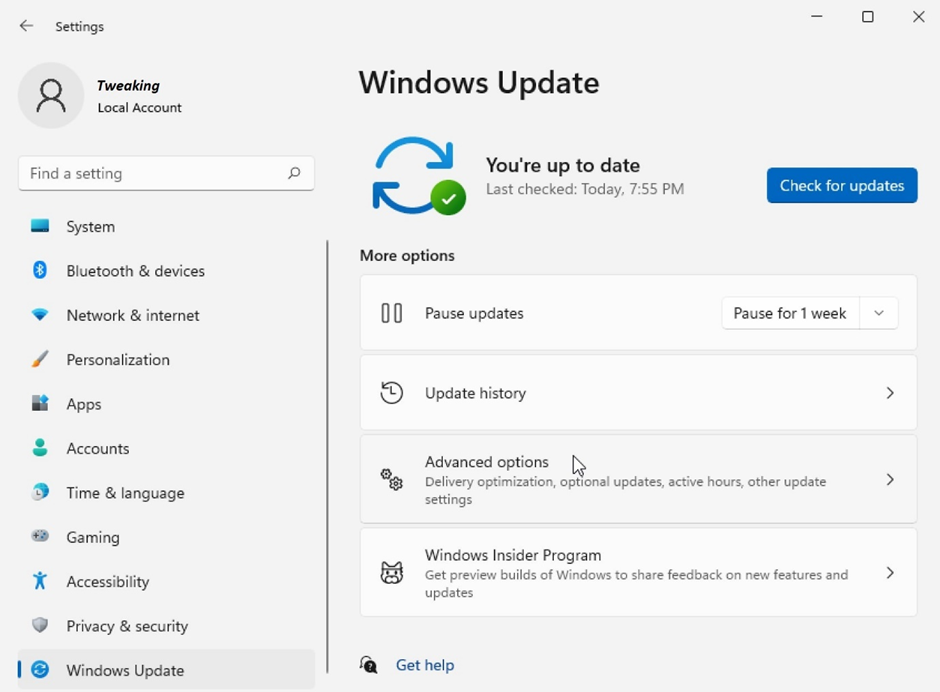
Windows Update is a built-in utility in Windows OS that automatically checks for the latest updates, including bug fixes, security patches, and device drivers. Typically, Windows Update runs weekly, but you can manually check for updates if you suspect issues with your Intel graphics driver.
- Press Win + I to open the Settings window.
- Scroll down and click on Updates & Security.
- Click on the Check for updates button to initiate a manual scan. If any updated drivers or system updates are available, Windows will download and install them automatically. A system restart may be required to finalize the installation.
Download Intel HD Graphics Driver Manually
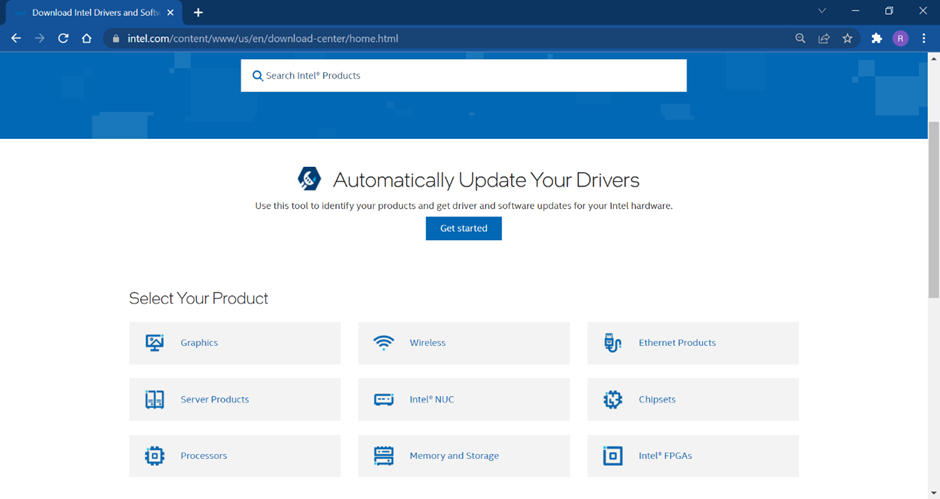
Intel lists all official device drivers on its driver updater software” target=”_blank” rel=”noopener noreferrer”>Intel Download Center. Whenever a new driver version is released, it is uploaded here first. You can verify your current Intel graphics driver version and then download the latest version from the official Intel website.
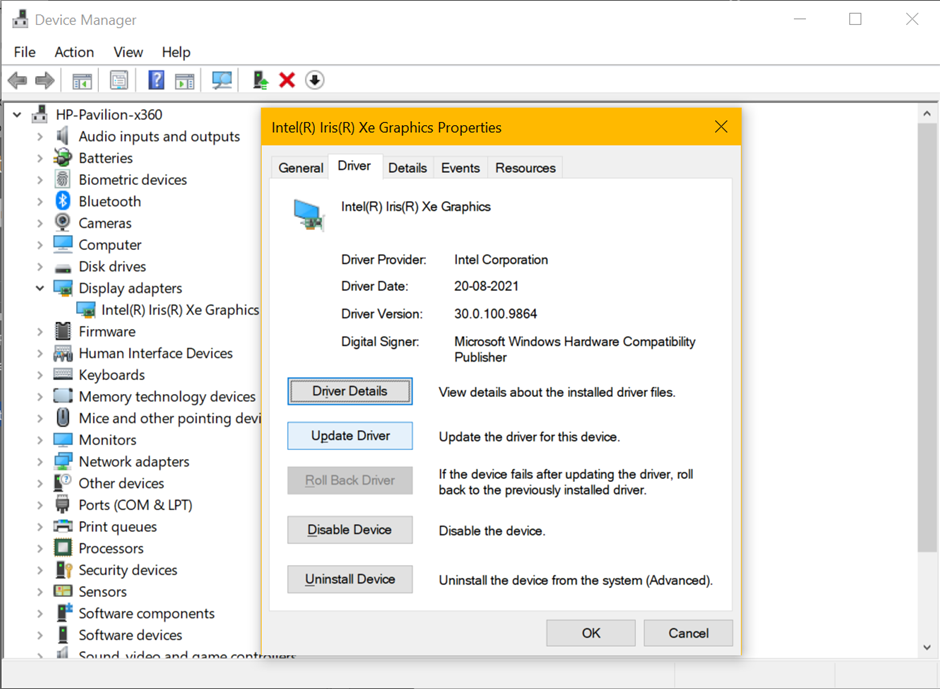
Check Your Current Driver Version
- Press Win + R to open the Run dialog box, type
devmgmt.msc, and press Enter to open Device Manager. - Expand Display adapters and locate your Intel graphics adapter (e.g., Intel(R) UHD Graphics or similar).
- Right-click the Intel graphics adapter and select Properties.
- Navigate to the Driver tab. Here, note the driver version, date, and other relevant details.
Download and Install Latest Intel Graphics Driver
- Open your web browser and visit the official Intel HD Graphics driver download page.
- Search for your specific Intel graphics driver by model and operating system.
- Download the latest driver package available.
- Run the installer and follow the on-screen instructions.
- Once the installation completes, restart your PC to apply changes.
Install Intel Graphics Driver Using Device Manager
Device Manager lets you check, update, uninstall, or troubleshoot device drivers. If you notice a yellow exclamation mark on any device in Device Manager, it indicates a driver issue—such as corruption, outdated software, or incompatibility.
- Press Win + R, type
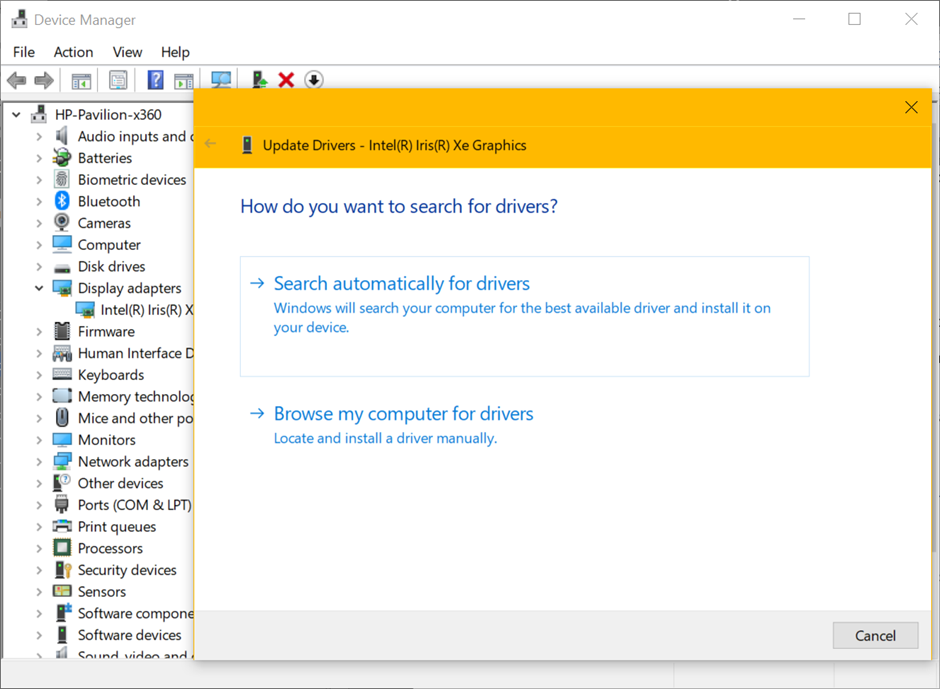
devmgmt.msc, and press Enter to open Device Manager. - Expand Display adapters, right-click the Intel graphics adapter, and select Update driver.
- Choose either:
- Search automatically for updated driver software: Windows will search online and on your PC for the latest drivers.
- Browse my computer for drivers: Select this if you have already downloaded the Intel driver from the official site and want to install it manually.
- Follow the prompts in the update wizard.
- Restart your computer once the installation completes to activate the new driver.
Use Driver Updater Software to Automatically Update Intel Graphics Drivers
Using dedicated driver updater software is the easiest and most reliable way to keep your Intel graphics drivers, as well as all other device drivers, up to date. These programs scan your PC for outdated, missing, or corrupt drivers and download only the compatible, manufacturer-approved versions.
Among numerous options available online, Advanced Driver Updater stands out as a top-rated and reliable driver updater software for Windows PCs in 2024. Its extensive database constantly updates drivers in real-time. It identifies problematic drivers, lets you choose which ones to update, and downloads drivers directly from official manufacturers, including those not listed in the Windows library.
Conclusion
Intel graphics drivers play a crucial role in ensuring high-quality display and smooth graphics performance on Windows PCs. If you encounter display problems or suspect driver issues, updating your Intel graphics driver should be your first step. You can update drivers manually via Windows Update, Intel’s official website, or Device Manager. Alternatively, using trusted driver updater software like Advanced Driver Updater can simplify the process by automatically managing all your device drivers to keep your system running efficiently.
Frequently Asked Questions (FAQs)
How often should I update my Intel graphics drivers?
It’s recommended to check for updates every few months or whenever you experience display issues. Using driver updater software can automate this process for you.
Can outdated Intel graphics drivers cause my screen to flicker or go black?
Yes, outdated or corrupt graphics drivers can cause display issues such as flickering, black screens, or resolution problems.
Is it safe to download Intel drivers from third-party websites?
For security and reliability, always download Intel drivers directly from the official Intel website or through Windows Update. Avoid third-party sites to prevent malware or incompatible drivers.
What should I do if the Intel graphics driver update fails?
Try uninstalling the current driver in Device Manager, reboot your PC, and then reinstall the latest driver from Intel’s official website. Alternatively, use a driver updater tool to automate the fix.
Does Windows Update always provide the latest Intel graphics drivers?
Windows Update may not always have the latest graphic drivers immediately after release. Checking Intel’s official site or using dedicated driver updater software ensures you get the newest driver versions promptly.