
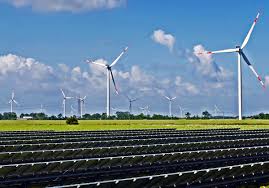
In our pursuit of a sustainable future, the fusion of nature and innovation has given rise to renewable energy, revitalizing our planet’s health and resources. Let’s explore the world of green energy and understand its critical role in shaping today’s and tomorrow’s electricity landscape.
The Essence of Renewable Energy
Renewable energy comes from natural sources that are constantly replenished, ensuring an endless supply without the risk of depletion. These energy types are fundamental to transitioning away from fossil fuels, serving as powerful tools to combat climate change while safeguarding environmental and human health.
Diverse Sources of Renewable Energy
The portfolio of renewable energy is vast, drawing energy from numerous natural phenomena. Key sources include:
- Solar Energy: Capturing sunlight using photovoltaic panels or solar thermal systems to generate electricity.
- Wind Energy: Converting the kinetic energy of wind into electrical power through turbines.
- Hydropower: Using the force of flowing or falling water to produce electricity efficiently.
- Geothermal Energy: Exploiting the Earth’s internal heat via geothermal plants or heat pumps to generate power.
- Biomass Energy: Transforming organic matter such as wood, crops, or waste into usable energy through combustion or bio-chemical processes.
- Marine Energy: Harvesting the energy from ocean tides, waves, and currents to supply electricity.
Global Shift Towards Renewable Energy
Worldwide, countries are accelerating efforts to adopt renewable energy and reduce reliance on fossil fuels. Recent data highlights impressive progress:
- According to the International Renewable Energy Agency (IRENA), in 2023, over 85% of new electricity generation capacity added globally came from renewable sources.
- Renewable energy accounted for approximately 43% of global electricity generation in 2023, as reported by climate research groups like Ember, showcasing a steady upward trend toward cleaner energy.
The Promise of Renewable Energy
Beyond being a sustainable energy solution, renewables drive economic growth and social advancement. When integrated thoughtfully across the entire value chain with attention to environmental and social outcomes, renewable energy offers a truly sustainable path forward. Embracing shared value principles, circular economy approaches, and aligning with the United Nations Sustainable Development Goals (SDGs) allows renewables to foster a greener, more equitable future.
Charting the Path Forward
Looking ahead, what will power our future energy landscape? The answer lies in the ongoing innovation and expansion of renewable energy technologies. With their unmatched potential to fuel progress while protecting the environment, renewables are set to dominate electricity generation and offer a hopeful vision for future generations.
In Conclusion
Renewable energy is not just a technological breakthrough—it is a transformative shift toward a sustainable and just world. By harnessing nature’s abundant energy, we can navigate a path toward a future powered by clean, renewable sources. Let’s embark on this journey as guardians of the planet and champions of change. The moment to act is now—the future is green.
If you’re interested in learning more about Save Energy at Home, please visit our tech category for additional information.
Frequently Asked Questions (FAQs) About Renewable Energy
Renewable energy reduces greenhouse gas emissions, lessens dependence on fossil fuels, promotes energy security, stimulates economic growth, and improves public health by reducing air pollution.
Solar and wind energy have experienced the fastest growth and are among the most widely adopted renewable sources globally, complemented by hydropower which remains a significant contributor.
With continued technological advances and supportive policies, renewable energy has the potential to meet global energy demand and fully replace fossil fuels in the coming decades.
Challenges include energy storage, intermittency, infrastructure costs, and the need for grid modernization, all of which are addressed progressively through innovation and investment.
Renewables contribute directly to SDG 7 (Affordable and Clean Energy), and support goals related to health, climate action, economic growth, and sustainable cities among others.
For those interested in understanding more about various sources of energy, Types of Personal Care Services in Toronto in 2023 also discusses renewable energy types like solar and wind.
For those interested in understanding more about various sources of energy, Types of Personal Care Services in Toronto in 2023 also discusses renewable energy types like solar and wind.