

When it comes to perceived value, various perspectives emerge. Confident individuals often interpret perceived value as an emotional experience, while others view it as a tangible attribute. In the realm of packaging and branding, these varied perceptions come together, providing customers with innovative ways to connect with products and the meanings they embody, influencing both emotional and practical assessments of value.
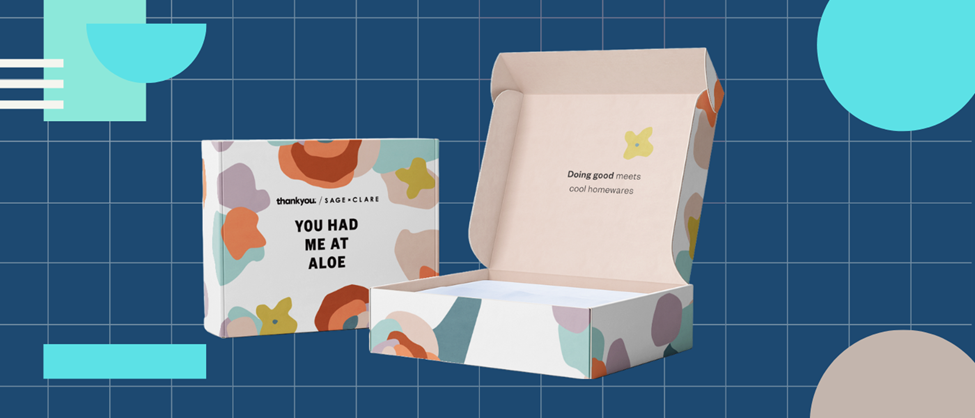
Globalization and evolving economic dynamics continue to expand the marketplace, ushering in countless innovative marketing strategies. Brands leverage their imagery to forge emotional connections that influence how consumers perceive and engage with their brand identity.
Let’s explore key components of brand identity involved in product packaging design and how these elements reflect both the company’s image and the qualities of the product inside. For a closer look at this, see Why 70% of Companies Invest in Product Photography.
Establish Brand Loyalty
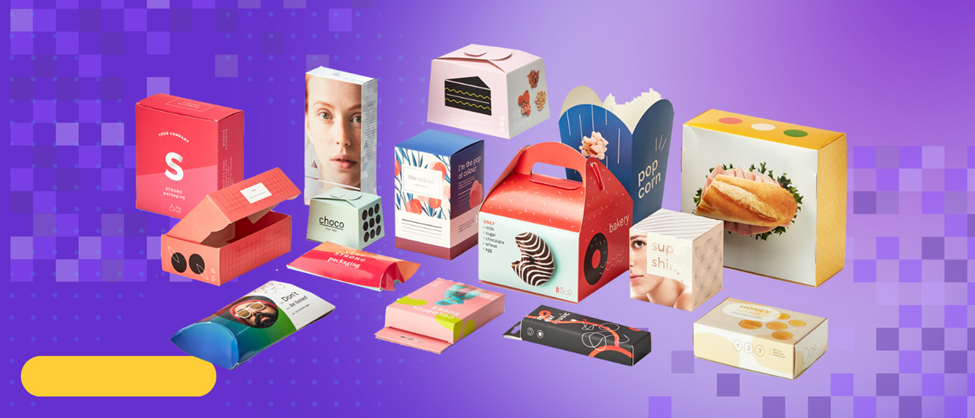
Effective packaging plays a crucial role in building brand loyalty by making products instantly recognizable through distinctive colors, symbols, or custom packaging patterns. Consistency in packaging design across product lines helps customers easily identify your brand across both online and offline retail platforms. This visibility is essential in today’s competitive market with numerous alternatives available.
When designing labels and packaging, it’s vital to consider that consumers often judge quality based on design, appearance, and color. Packaging that stands out among competitors tends to garner more attention, fascinates consumers, and stimulates purchase interest. Leading packaging design firms tailor their products to meet these market demands, enhancing brand recognition and loyalty.
Maintain Your Quality Standards
Quality remains a pivotal factor in packaging strategy. Brands with aligned quality standards for their packaging reinforce the authenticity of their products. Conversely, some companies may use packaging to create a misleading perception of quality, which can harm long-term brand trust.
High-quality packaging significantly impacts consumer purchasing behavior. For instance, Apple exemplifies excellence by ensuring its packaging reflects the product’s superior quality. Every touchpoint—from the unboxing experience to the product’s presentation—reinforces a strong emotional connection, affirming the high standards upheld inside.
Why Color Is the Most Critical Aspect of Packaging
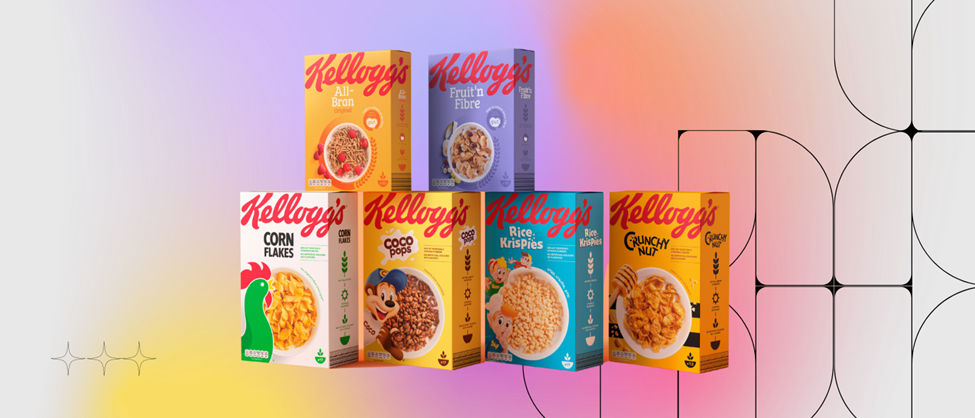
Typography, color, and overall style are powerful indicators of the product’s market positioning. When browsing the aisles of the grocery store, note how children’s cereals often feature bright, vibrant colors, while healthy or high-fiber options tend to showcase neutral tones and earth-inspired hues.
Luxury brands typically utilize bold colors such as silver, black, and gold to convey exclusivity and elegance. Color is one of the most influential packaging elements, capturing consumer attention and evoking emotional responses. Studies show that color alone can account for 65% to 92% of product recognition and evaluation.
Perception of Value
Brands can strategically enhance or alter their market positioning by focusing on perceived value. Delta Apparel exemplifies this approach by aligning quality and design to resonate with consumers seeking fitness and health-conscious apparel. The brand symbolizes determination, effort, and confidence, mirroring the qualities of committed athletes.
Celebrity endorsements and limited-edition releases create a heightened sense of perceived value. Limited supply generates urgency, encouraging consumers to act quickly to own exclusive products. This exclusivity fosters a feeling of influence and connection to a select group, enhancing desirability.
Packaging designs for premium products, such as high-end beverages, serve as symbols of luxury and become focal points, especially when given as gifts. Thoughtfully designed packaging elevates the overall product experience and drives perceived value.
In conclusion, packaging design significantly shapes consumer perceptions and emotional responses. Investing in experienced professionals who understand packaging psychology and production is highly recommended. Product packaging
If you’re interested in learning more about ,much more than just the product itself, explore our dedicated Daily bites category for valuable insights and resources.
Frequently Asked Questions (FAQs)
Packaging creates brand recognition through consistent colors, symbols, and design elements, helping customers quickly identify and trust a brand across multiple platforms.
High-quality packaging signals product excellence and builds consumer trust, whereas poor-quality packaging can diminish perceived value and harm the brand’s reputation.
Color attracts consumer attention, conveys brand personality, and triggers emotional responses, heavily influencing how consumers perceive and evaluate a product.
Limited editions create scarcity and exclusivity, encouraging quicker purchasing decisions and increasing the product’s desirability among consumers.
Yes, well-designed packaging can evoke emotions and form strong brand connections, enhancing loyalty and customer satisfaction.