
MacBooks are equipped with top-tier speakers and high-quality displays, offering an exceptional experience for video playback and gaming. However, when used at maximum volume, you might encounter crackling sounds or audio distortion. If your MacBook speaker crackling is experiencing sound issues, this article is here to help! Various factors can cause sound crackling on a MacBook Pro, including software glitches and hardware problems. This guide provides effective tips and troubleshooting methods to resolve issues such as low volume or complete sound failure on your Mac.
Restart Your Mac
One of the simplest yet most effective troubleshooting steps is to restart your Mac. Restarting resets the audio drivers and system services, potentially resolving temporary glitches causing sound issues. If the problem persists, consider performing a force restart to fully reinitialize all audio processes.
Adjust Volume Levels
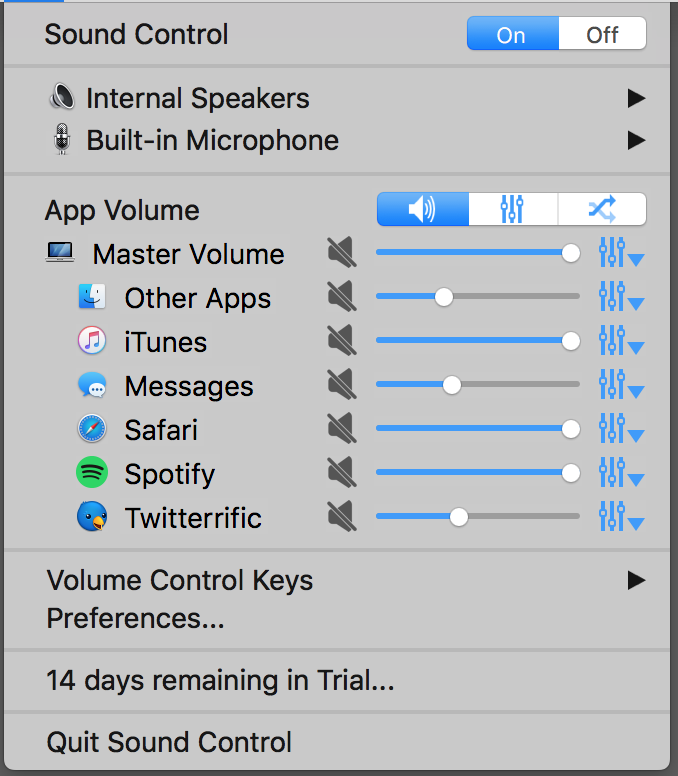
If your Mac’s sound output is too low or non-functional, verify that the volume is not muted and is turned up both in the system settings and within the application you are using (such as your browser or media player). If crackling occurs only at high volumes, consider lowering the volume, as audio distortion can happen with certain high-frequency tracks. Consistent distortion across all sounds may indicate a potential hardware problem with the internal speakers.
Ensure Clear Speaker Surface
Dust or debris accumulation on your MacBook’s speaker grills can cause sound disturbances. Regularly clean the speaker surfaces using a soft brush to gently remove particles without damaging the mesh. Avoid using sharp objects like pins, which can puncture the speaker covers and cause irreversible damage.
Try Playing Through Different Sources
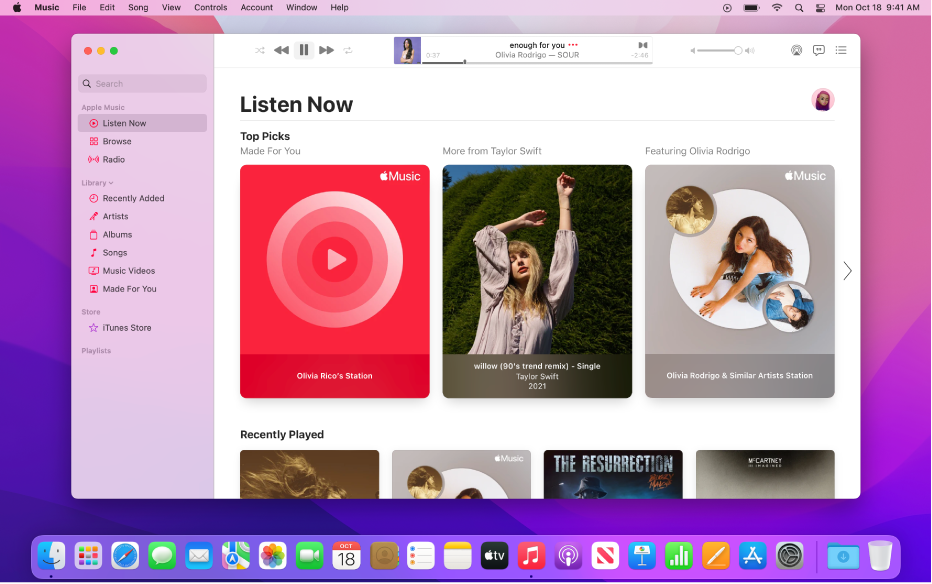
Sometimes, the issue lies with the application or audio file you are using. Test the sound by playing music or videos from different apps such as iTunes, Apple Music, Spotify, or local media files. Also, try playing audio in different web browsers or media players to isolate whether the problem is app-specific.
Try a Different Output Device
To pinpoint if the issue is with your Mac’s internal speakers, try connecting external audio devices like Bluetooth headphones, AirPods, or wired speakers via AUX or USB. If external devices work perfectly, the problem likely lies within your MacBook’s built-in speakers or audio settings.
Let Your Mac Rest for a While
Heavy, prolonged usage—especially running resource-intensive games or applications—can cause your MacBook to heat up, which may lead to sound crackling and other performance issues. Allow your device to cool down by shutting it off or putting it to sleep for a while before resuming use.
Update macOS
Outdated software can cause driver conflicts or bugs affecting sound performance. Regularly updating macOS ensures you have the latest audio drivers and bug fixes.
Step 1. Open the Apple menu and select System Preferences.
Step 2. Click on Software Update to check for available updates.
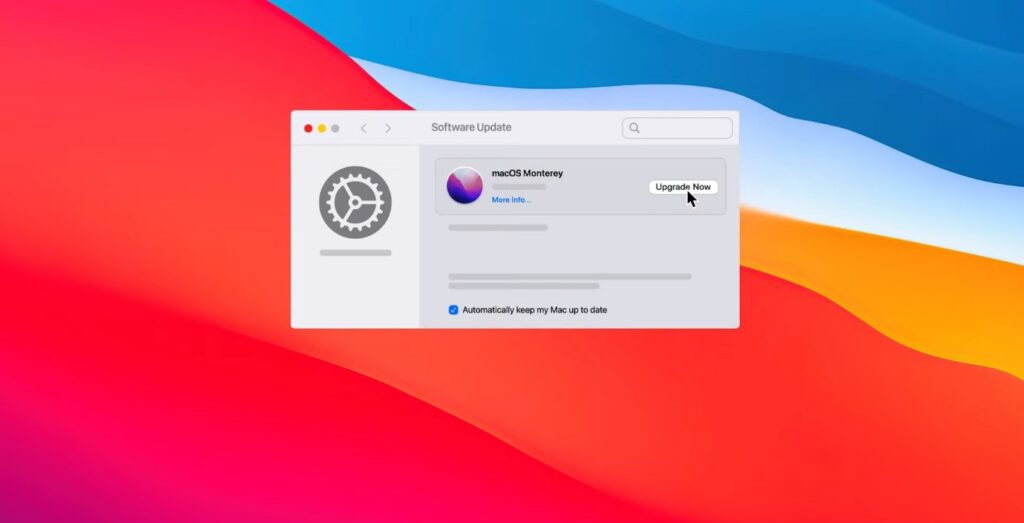
Step 3. If an update is available, click Update Now or Upgrade Now and follow on-screen instructions. Your Mac may restart multiple times during the installation process. After updating, check if the sound issue persists.
Do Not Open Your Mac Yourself
If none of the above solutions work, the problem might stem from hardware defects within the internal speakers or sound circuitry. Avoid opening your MacBook on your own, as this can void your warranty and cause further damage. Instead, consult an authorized Apple service center for professional diagnostics and repairs.
Scan for Malware or Virus Infection
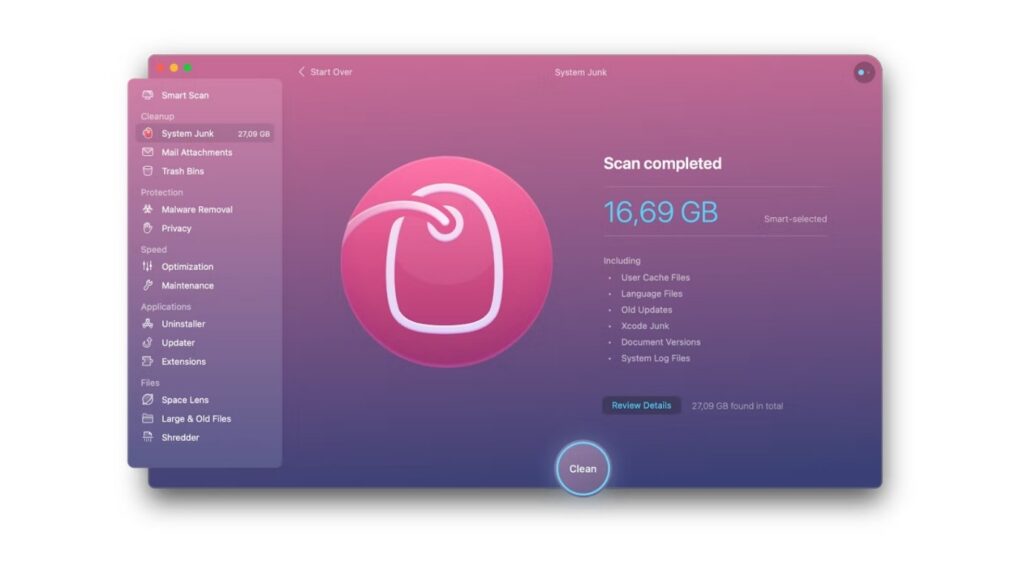
Although macOS is generally secure, malware infections can occasionally affect system performance, including sound issues. Use a trusted third-party antivirus tool to scan your device for viruses or malicious software that could be causing audio problems. Many apps also provide overall system optimization and maintenance utilities that can help improve your Mac’s performance.
Final Words
If you continue to experience sound problems on your Mac, there are additional advanced fixes to consider fix the MacBook Speaker Crackling Issue. Most often, sound issues result from software settings or driver conflicts rather than hardware faults. These simple troubleshooting tips can help you pinpoint and resolve audio problems efficiently. Before scheduling a repair, verify your warranty status to avoid unexpected expenses.
For more Mac-related tips and guides, explore our Lifestyle category.
Frequently Asked Questions (FAQs)
Why does my MacBook Pro speaker crackle at high volumes?
Crackling at high volumes is often caused by speaker distortion due to pushing the audio driver beyond its limits or by dust accumulation on the speaker grills. Lowering the volume and cleaning the speakers may help.
How can I check if my Mac’s sound issue is hardware or software-related?
Try playing audio through different applications and external audio devices like headphones or Bluetooth speakers. If external devices work fine, the issue is likely with the internal speakers or hardware. If sound is problematic across all outputs, it’s probably software-related.
Can outdated macOS cause sound problems?
Yes, outdated macOS versions may contain bugs or outdated drivers affecting audio performance. Regularly updating your macOS can help resolve such issues.
Is it safe to clean MacBook speakers at home?
Yes, but use only a soft brush or compressed air. Avoid sharp objects that can damage the speaker mesh.
What should I do if none of the troubleshooting steps resolve the sound issues?
If basic troubleshooting fails, contact an authorized Apple service center for professional help. Do not attempt to open or repair your MacBook yourself as it may void your warranty.